
Multiple Sclerosis, Gut Health & the Microbiome Case Study
Multiple sclerosis (MS) is a complex autoimmune condition affecting the central nervous system, but increasing research suggests the gut microbiome may play a major role in immune regulation, systemic inflammation, and neurological health.
In this case study, we explore how advanced gut microbiome testing through Microbiotica and
Enbiosis was used to identify inflammatory patterns, poor microbiome diversity, impaired mitochondrial-supportive pathways, and potential dietary interventions for a patient with multiple sclerosis and ongoing gastrointestinal symptoms.
Rather than focusing solely on symptom management, the goal was to support the body more holistically by improving:
Gut health
Microbial diversity
Intestinal barrier integrity
Mitochondrial function
Nutritional status
Systemic inflammation
This approach combined personalised nutrition, targeted supplementation, microbiome analysis, and foundational anti-inflammatory support.
Why Gut Health Matters in Multiple Sclerosis
Emerging evidence continues to highlight the relationship between the gut microbiome and autoimmune disease. The gastrointestinal tract plays a major role in immune system signalling, inflammatory regulation, nutrient absorption, and even neurological communication through the gut-brain axis.
The patient presented with:
Multiple sclerosis
Digestive discomfort
Signs of poor microbiome diversity
Potential inflammatory gut patterns
Reduced mitochondrial-supportive microbial activity
Because gut dysfunction can contribute to immune dysregulation and systemic inflammation, improving gastrointestinal health became a central focus of the intervention.
Advanced Gut Testing with Microbiotica & Enbiosis
To gain a deeper understanding of the patient’s microbiome, advanced testing was performed using both Microbiotica and Enbiosis platforms.
These tests provided insight into:
Microbial diversity
Functional bacterial activity
Diet-microbiome interactions
Inflammatory tendencies
Food recommendations
Mitochondrial-supportive pathways

One of the most notable findings was the patient’s extremely low microbiome diversity score of 0.5, suggesting a highly compromised microbial ecosystem.
Low diversity is commonly associated with:
Autoimmune conditions
Chronic inflammation
Reduced resilience
Poor gut barrier function
Reduced short-chain fatty acid production
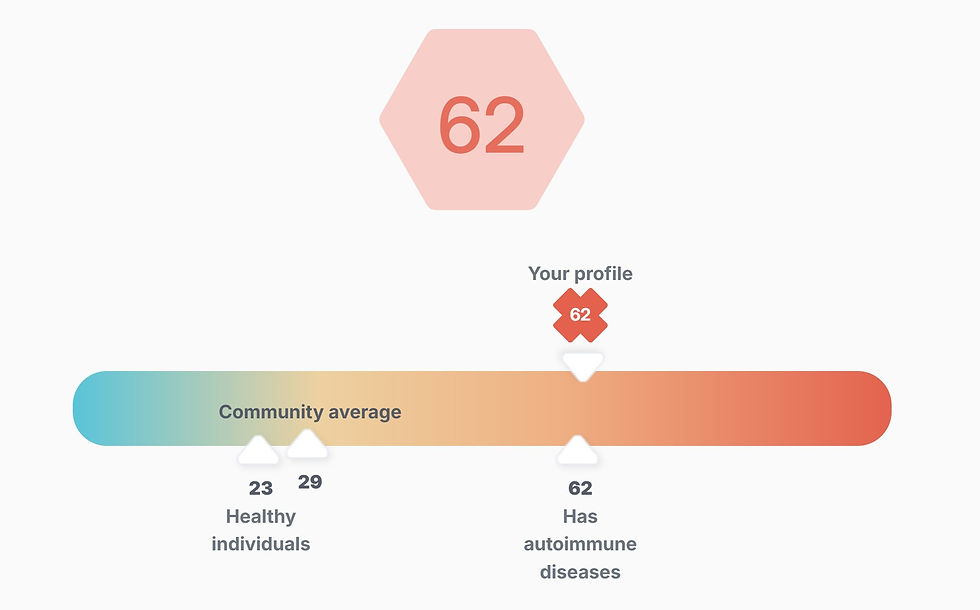
The Enbiosis report highlighted that the patient’s microbiome profile aligned more closely with patterns seen in autoimmune conditions compared to healthy individuals.
Additional findings also suggested microbial patterns similar to those often seen in individuals exposed to antibiotic-associated microbiome disruption.

Personalised Nutrition Strategy
One of the advantages of Enbiosis testing is its ability to generate highly personalised food recommendations based on the individual’s microbiome profile.
Rather than using a generic elimination diet, foods were selected based on their predicted ability to positively influence microbial balance and improve diversity.
Recommended foods included:
Apples
Kiwi
Onion
Whole grains
Carrot juice
Raisins
Redcurrants
Many of these foods are rich in:
Polyphenols
Prebiotic fibres
Antioxidants
Fermentable compounds that support beneficial bacteria
The intention was to gradually improve microbial diversity while also supporting gut barrier integrity and reducing inflammatory stress.
The Ellagic Acid & Urolithin A Connection
One particularly interesting finding involved the patient’s response to pomegranate extract (ellagitannins and ellagic acid).

Due to the reduced conversion score, direct urolithin A supplementation was introduced to bypass microbiome limitations and provide direct mitochondrial support.
The rationale included supporting:
Cellular energy production
Neurological resilience
Mitochondrial efficiency
Fatigue management
Healthy aging pathways
While no supplement should be viewed as a cure for autoimmune disease, supporting mitochondrial function may play a useful role in improving overall resilience and energy metabolism in chronic inflammatory conditions.
Curcumin for Gut & Systemic Inflammation
Alongside microbiome-focused interventions, a broader anti-inflammatory strategy was implemented using curcumin, which scored 8/10 within the patient’s personalised microbiome recommendations.

Curcumin was selected due to its potential effects on:
NF-kB signalling
Oxidative stress
Inflammatory pathways
Gut barrier integrity
Neurological health
Because inflammation appeared to be a major contributing factor within both the gut and autoimmune profile, curcumin became one of the core foundational interventions within the protocol.
As the patient may later progress onto more advanced health optimisation testing such as TruHealth, the initial goal was to establish strong foundational anti-inflammatory support in a cost-effective manner before expanding into more advanced biomarker analysis.
This “foundational first” approach helps reduce unnecessary testing costs while still targeting key drivers of inflammation and dysfunction early on.
Colostrum for Gut Barrier Repair
To further support gastrointestinal healing, the protocol also included a high-quality colostrum supplement.
Particular attention was placed on sourcing colostrum that had undergone minimal heat exposure during manufacturing in order to preserve more of its naturally occurring bioactive compounds, immunoglobulins, peptides, and growth factors.
Colostrum was selected for its potential benefits involving:
Gut barrier integrity
Immune modulation
Gastrointestinal recovery
Reduction of intestinal permeability
Growth factor support
Mucosal healing
Because the patient displayed signs of significant microbiome dysfunction and poor diversity, improving gut barrier resilience became a major therapeutic target.
High Ginger Intake for Digestive & Inflammatory Support
The patient also implemented a relatively high intake of ginger as part of the gut-healing and anti-inflammatory protocol.
Ginger was chosen due to its potential effects on:
Digestive motility
Gastrointestinal comfort
Nausea reduction
Reduction in inflammatory signalling
Antioxidant support
Since digestive symptoms were a major concern, ginger provided both functional digestive support and broader systemic anti-inflammatory benefits.
Combining ginger with curcumin and microbiome-targeted nutrition created a more comprehensive strategy aimed at reducing inflammatory stress while improving gastrointestinal function.
A Systems-Based Approach to Autoimmune Health
More on the Enbiosis gut microbiome test:
This case highlights the growing importance of looking beyond isolated symptoms and instead examining the interconnected systems involved in autoimmune disease.
Rather than focusing on a single intervention, the strategy aimed to support multiple areas simultaneously:
Gut microbiome diversity
Gastrointestinal integrity
Immune regulation
Inflammatory balance
Mitochondrial function
Nutritional resilience
While this remains an ongoing case, the initial findings strongly suggest that advanced microbiome testing can provide valuable insights into personalised dietary and supplement strategies for individuals with complex autoimmune and inflammatory conditions.
As research into the gut-brain-immune connection continues to evolve, personalised microbiome interventions may become an increasingly important component of functional and preventative healthcare approaches for conditions such as multiple sclerosis.
Future stages of this case study will explore symptom progression, dietary adherence, further biomarker analysis, and the potential integration of advanced longevity and epgenetic testing through platforms such as TruHealth.


Comments